
Saint Josemaría Escrivá’s Concept of Citizenship: Beyond Trapo Culture
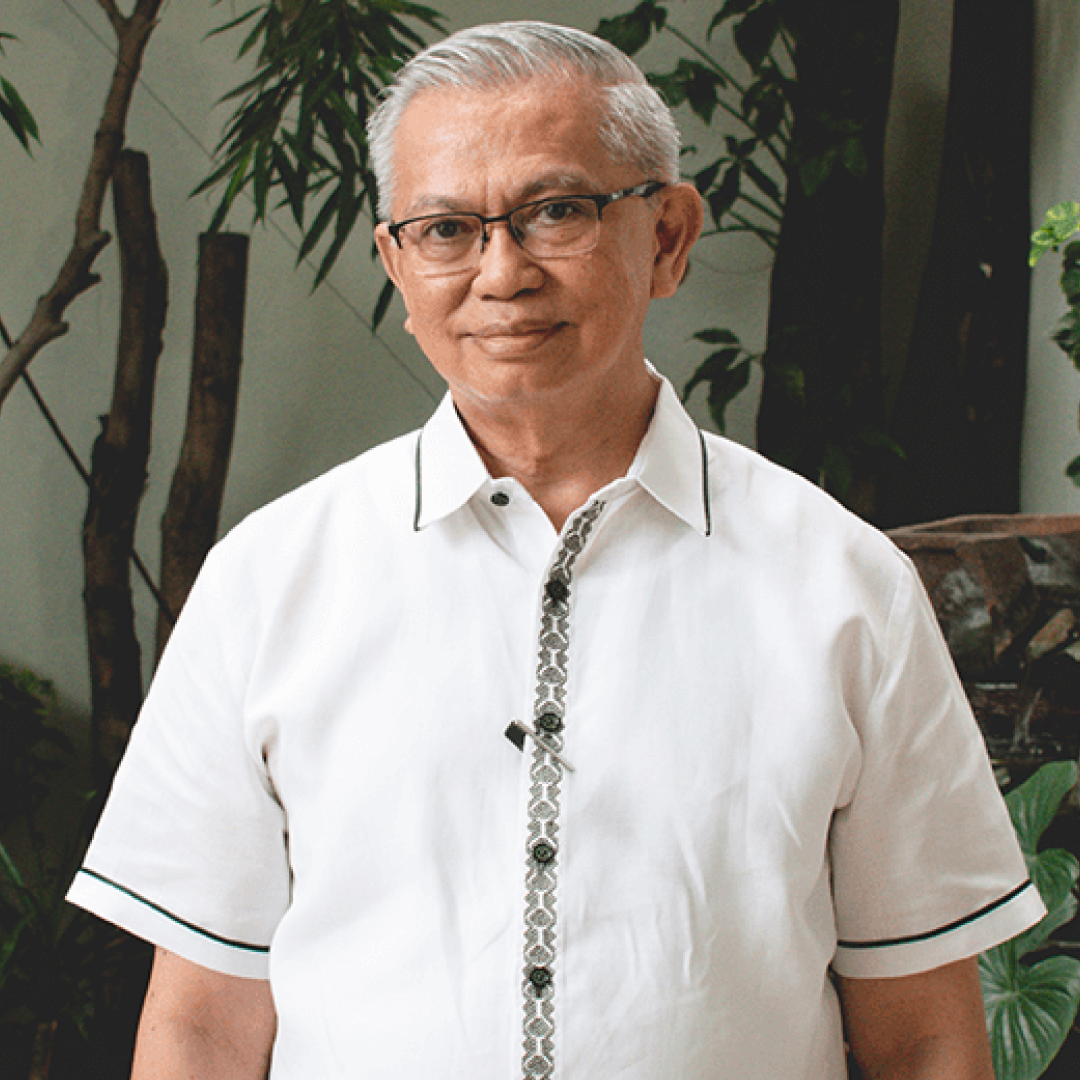
Updated: Aug 6
By Dr. Paul Arvisu Dumol
NTRODUCTION: OUR IMPASSE
Let me begin with a quotation from the column of Mr. Teodoro Benigno in the Philippine Star:
We Filipinos are into a fit of self-pity these days. We wonder why we are so corrupt, why our country is such a receptacle for spiraling crime and violence, why our poverty is one of the worst in Asia, why our countrymen are leaving by the droves…. And yet as we wonder, there is an even more striking phenomenon. We don’t sink into any kind of depression as would be the normal reaction. Nor do we go to the Wailing Wall to cry ourselves a river. In the time it takes the reader to read this paragraph, we Filipinos shrug off our worries and just move on.
This particular piece by Mr. Benigno entitled “Why We’re Losers?” was published on November 1, 2002. Today, almost a year later, it has lost none of its bite. Mr. Benigno describes an impasse that many feel the country is at. In this conference, I assume this impasse is real and wish to see whether there is anything in Saint Josemaría Escrivá’s concept of citizenship that may help us out of it. I wish to examine his concept of citizenship as found in four homilies, written between 1960 and 1970.¹ None of these homilies is on citizenship, but the passages they contain which allude to it are sufficient to help us sketch Saint Josemaría’s concept of citizenship. This is a concept that had passed through the crucible of the Spanish Civil War and the years immediately preceding it, as those who have read the second volume of Saint Josemaría’s biography by Andrés Vázquez-Prada know.
Read the Complete Essay
This article continues in its original scholarly format, including citations and footnotes.
Comments