top of page

Dr. Paul Dumol
Lorenzo: The Musical
A musical-within-a-play. From a prison cell, Laurence narrates the parallel life of San Lorenzo Ruiz — martyr in Japan — against his own crime, imprisonment, and spiritual conversion in an Arab country.
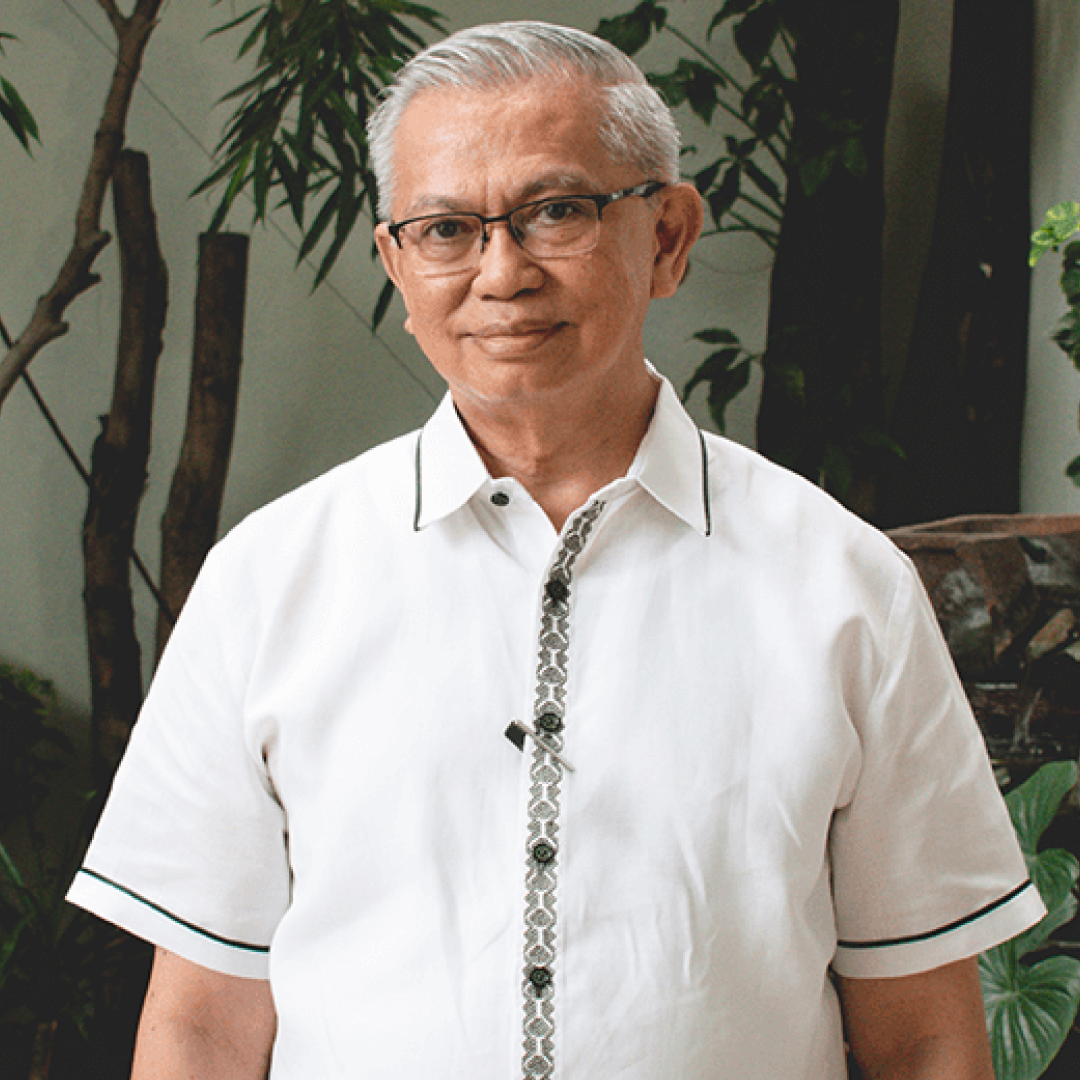
Dr. Paul Dumol
2 min read
Aguinaldo 1897: Ang Pagbitay kay Bonifacio
The Philippine Revolutionary Movement fractures at the Tejeros Assembly of March 1897. Emilio Aguinaldo is elected president in a vote Bonifacio refuses to recognize. Spanish forces retake key Cavite strongholds as Magdalo and Magdiwang leaders betray each other. By May 10, Andres and Procopio Bonifacio are executed. (Part 1 — not yet set to music; unproduced.)
Dr. Paul Dumol
2 min read
Aguinaldo 1899: Ang pagpatay kay Antonio Luna
Aguinaldo refuses Luna's resignation because only Luna can obstruct the Americans. Luna's despotic command breeds enemies within. After battles, arrests, and mounting insubordination, a consensus forms to eliminate him. In Cabanatuan, Caviteño soldiers kill him brutally. Two haunting figures frame the action: the Matandang Babae — Aguinaldo's mother — whose famous words "Ano ba? Nagalaw pa iyan?" end the assassination scene; and Inang Bayan, the Mother Country, destroyed from
Dr. Paul Dumol
3 min read
Aguinaldo: 1898
Aguinaldo returns from exile in May 1898, resumes the Revolution, defeats the Spanish, and on June 12 proclaims Philippine Independence. But the United States refuses to recognize sovereignty. American troops pour in, Spain surrenders to the US rather than to the Filipinos, and the Malolos Congress convenes against a backdrop of accelerating betrayal. General Otis proclaims American military rule; a skirmish between sentries ignites the Philippine-American War.
Dr. Paul Dumol
1 min read
Ang Paglilitis at Pagkamatay ni Jose Rizal
Twenty-six scenes reconstructing Rizal's trial, conversion, and execution from primary historical accounts, interwoven with commentaries from Noli Me Tangere, El Filibusterismo, and Junto al Pasig.
Dr. Paul Dumol
1 min read
Ilustrado: Ang Buhay ni Rizal (The Musical)
Three crises in Rizal's life, named after the protagonists of his novels — Ibarra, Simoun, Isagani. From the betrayal that triggered Noli Me Tangere to the retraction debate on the eve of his execution.
Dr. Paul Dumol
3 min read
Francisco Maniago
The Pampango Revolt of 1660, in two parts. A loyal mestizo de campo is drawn reluctantly into an uprising, negotiates a peace — then is imprisoned and executed when new revolts give Spanish authorities a pretext.
Dr. Paul Dumol
2 min read
Pulê
Apolinario Mabini's voice from imprisonment and exile — his failed negotiations with American forces, his exile to Guam, his tortured interrogation of the Revolution's meaning. Part of a trilogy with "Tonyo" (Villanueva) and "Pepe" (Jacob).
Dr. Paul Dumol
2 min read
Felipe de las Casas
A young Mexican merchant in Manila transforms into a Franciscan novice, haunted by guilt over a friend's death. His galleon blown to Japan, he faces crucifixion — and discovers that his fear for his friend's soul may have been a subtle form of pride.
Dr. Paul Dumol
1 min read
Cabesang Tales
In 26 scenes, a peasant family's ruin under colonial and friar power. Based on Rizal's El Filibusterismo, the play traces a hardworking farmer's transformation into a figure of desperate resistance. First honorable mention, CCP Playwriting Contest (1971).
Dr. Paul Dumol
2 min read
Pagkaawit ng Adarna
An existentialist one-act interweaving a young man's vigil at his comatose father's bedside with feverish dreams of the corrido's Don Juan. A meditation on fathers, sons, and the moment of true understanding.
Dr. Paul Dumol
1 min read
Ang Kilusang Pilipinasasyon sa Ateneo de Manila
A documentary drama of the student and faculty movement to decolonize Ateneo education — demanding Filipino deans, Filipino as medium of instruction, and a curriculum rooted in the Philippine experience.
Dr. Paul Dumol
1 min read
Ang Ibong Adarna
A musical based on the 19th-century Philippine korido. Don Juan, youngest of the royal sons, undertakes a quest for the mythical adarna bird whose song alone can cure the dying king and end a kingdom's famine.
Dr. Paul Dumol
2 min read
Ang Paglilitis ni Mang Serapio
An elderly beggar is tried by the Federacion for rearing a child. The verdict is already decided. When the padlocked chest at the center of the trial is finally forced open, it reveals not evidence of a child — but a rag doll Serapio calls by his daughter's name. The interrogators lead the beggars in blinding him. Widely considered the first Philippine modernist play, and the most performed Filipino play today.
Dr. Paul Dumol
2 min read
Ang Puting Timamanukin
The puting timamanukin is the ancient Tagalog symbol for Bathala (god).
The play is the dream of the paralytic we see onstage at the opening of the play. A child, the main character, Animong Bata (animo is a pun on anino or shadow), emerges from the paralytic man and pines for his puting timamanukin, Asa, which he lost when his parents quarreled and left him.
Dr. Paul Dumol
2 min read
The Home-School Community Convergence: The Making of Citizens
By Dr. Paul Arvisu Dumol I wish to present some general considerations about education in citizenship before going on to general considerations about home-school-community convergence. I hope you all agree that citizenship is learned, first of all, at home; secondly, in one’s community; and lastly, in school. This sequence is not chronological; it refers, rather, to the varying impact these three teachers of citizenship have. The home is the most powerful; the community, next
Dr. Paul Dumol
1 min read
Reading Between the Lines of Apolinario Mabini’s “The True Ten Commandments”
By Dr. Paul Arvisu Dumol “El verdadero decálogo” is a list of ten precepts written by Apolinario Mabini in the manner of the Ten Commandments. The adjective verdadero or true (in the sense of tunay) implicitly compares Mabini’s Ten Commandments with the Ten Commandments of Christianity. The implications could be disturbing to Christians, but Mabini intends considerably less than his words apparently imply. I will return to this question at a later stage of this talk. “El verd
Dr. Paul Dumol
1 min read
Saint Josemaría Escrivá’s Concept of Citizenship: Beyond Trapo Culture
By Dr. Paul Arvisu Dumol NTRODUCTION: OUR IMPASSE Let me begin with a quotation from the column of Mr. Teodoro Benigno in the Philippine Star: We Filipinos are into a fit of self-pity these days. We wonder why we are so corrupt, why our country is such a receptacle for spiraling crime and violence, why our poverty is one of the worst in Asia, why our countrymen are leaving by the droves…. And yet as we wonder, there is an even more striking phenomenon. We don’t sink into any
Dr. Paul Dumol
2 min read
Making Sense of the Claim that Beauty Is Knowledge
By Dr. Paul Arvisu Dumol I am currently engaged in a project to gather Benedict XVI’s ideas on art and beauty, analyze them, and put them together in an aesthetic theory. In the process, I have come upon a particular claim of Benedict’s that is not easy to explain, although it is one I understand. I sense the explanation is to be found in Leonardo Polo’s work on thinking. My preliminary research into Polo is what I wish to report on in this talk. In his message to the Comunio
Dr. Paul Dumol
2 min read


Dante’s Sins: A Re-Reading of the Divine Comedy — The Purgatorio
By Dr. Paul Arvisu Dumol The Purgatorio Last week I identified seven scenes in the Inferno that seven centuries of Dante readers have singled out for their intense emotional charge, so much so that many have wondered whether they contained a personal meaning for Dante of an autobiographical nature. I have suggested that they represent sins that Dante was either guilty of or attracted to. Three cantos, in particular, seem to present us with sins Dante was guilty of. That is ce
Dr. Paul Dumol
2 min read
bottom of page