
The Home-School Community Convergence: The Making of Citizens
Updated: Aug 6
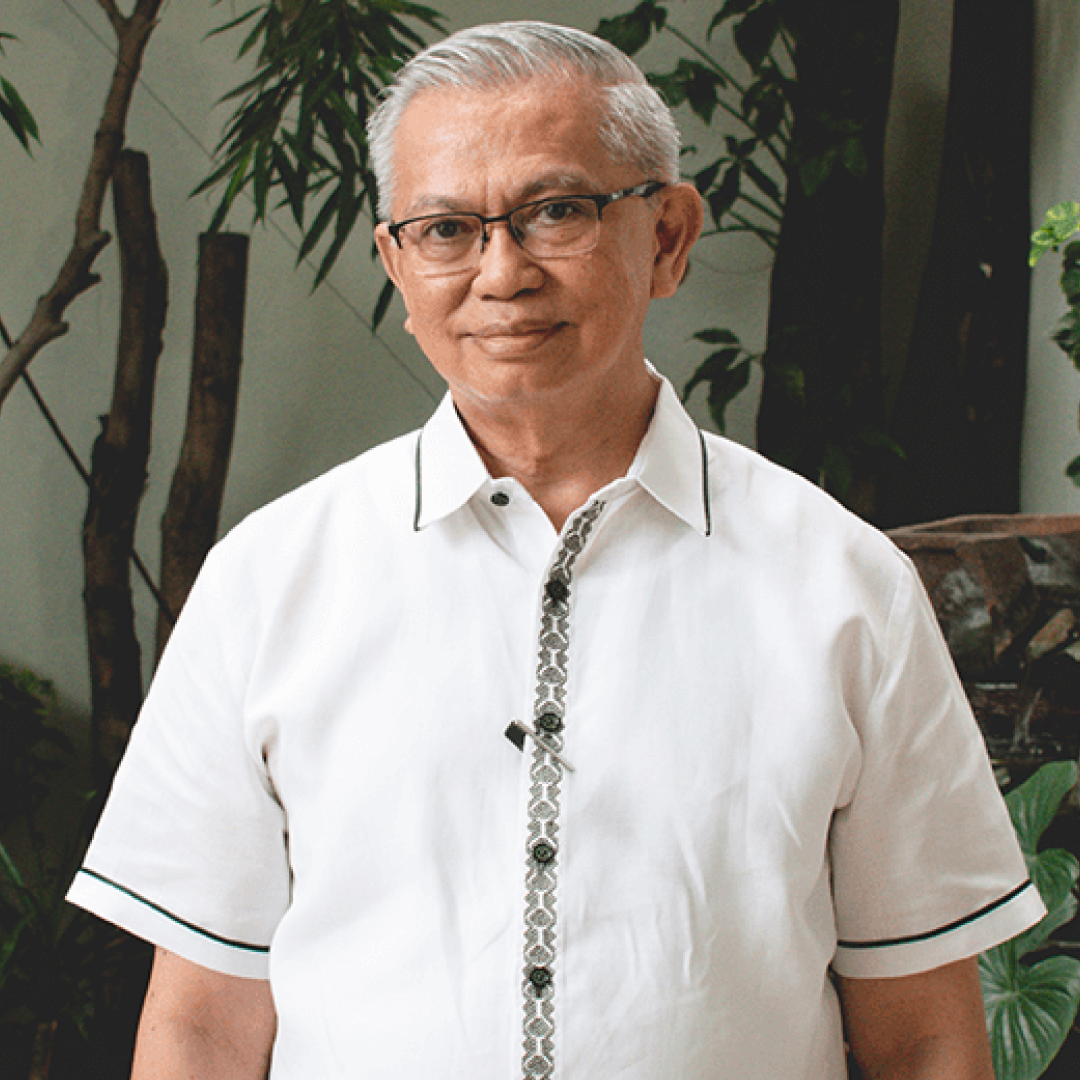
By Dr. Paul Arvisu Dumol
I wish to present some general considerations about education in citizenship before going on to general considerations about home-school-community convergence.
I hope you all agree that citizenship is learned, first of all, at home; secondly, in one’s community; and lastly, in school. This sequence is not chronological; it refers, rather, to the varying impact these three teachers of citizenship have. The home is the most powerful; the community, next; and the school, least. I hope I need not expound on the first. As for the influence of the community, let me just say that I include here the influence of mass media, the next most powerful teacher of anything in the lives of teenagers today. That leaves us with the school, which, I have been assured by an official of the Ford Foundation, is the institution with the least influence on the values of the youth today.
Read the Complete Essay
This article continues in its original scholarly format, including citations and footnotes.
Comments